QR Platform
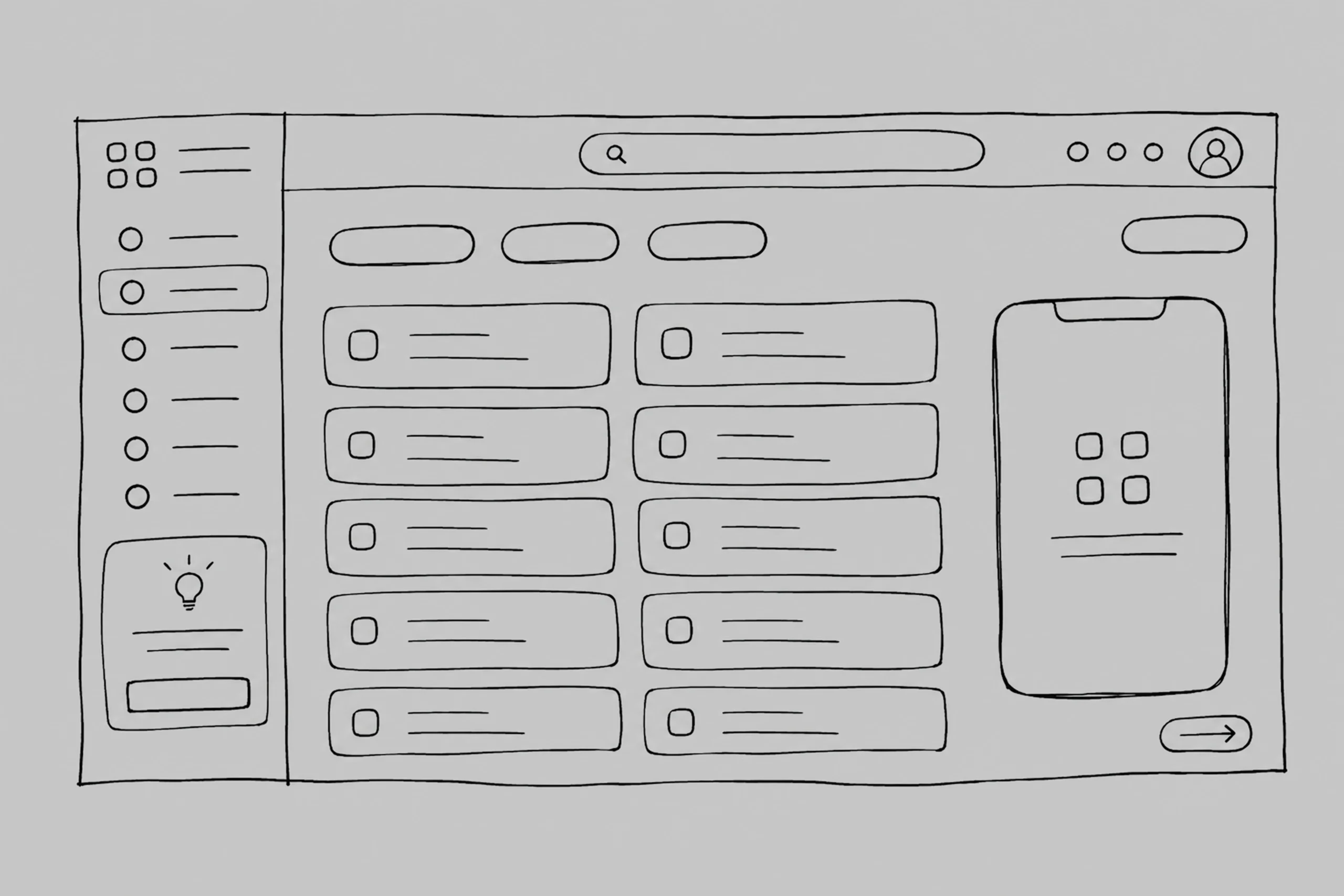
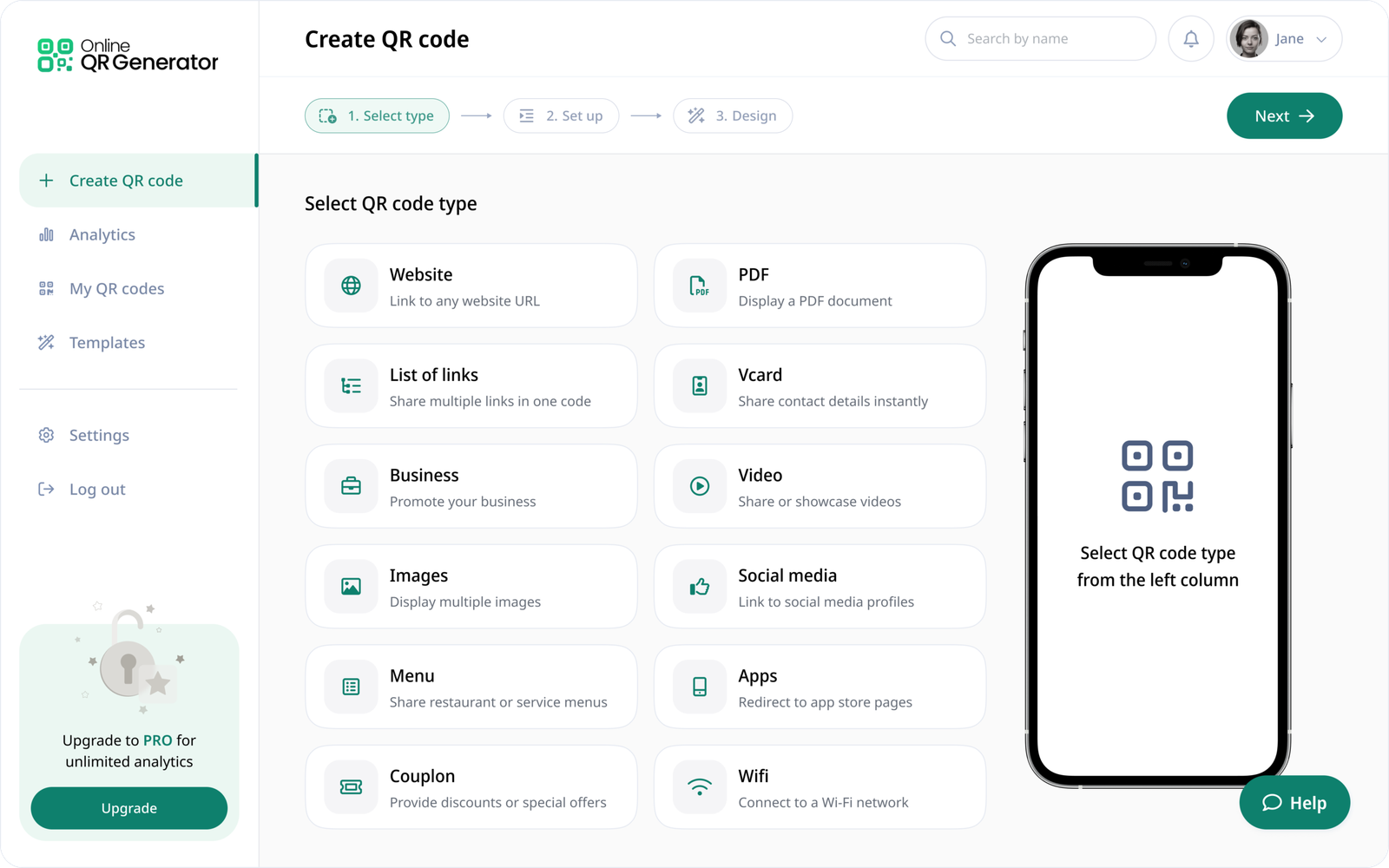
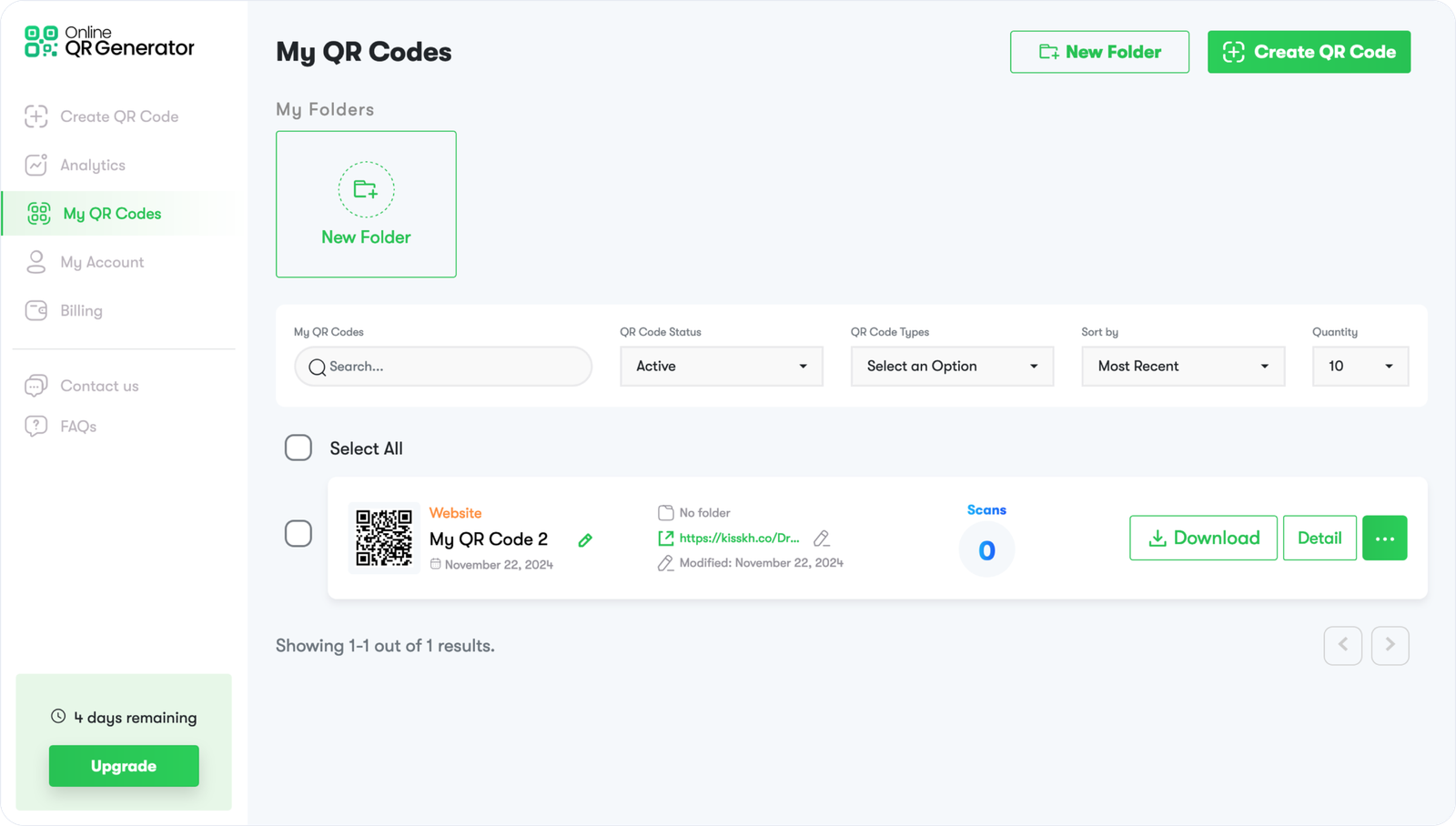
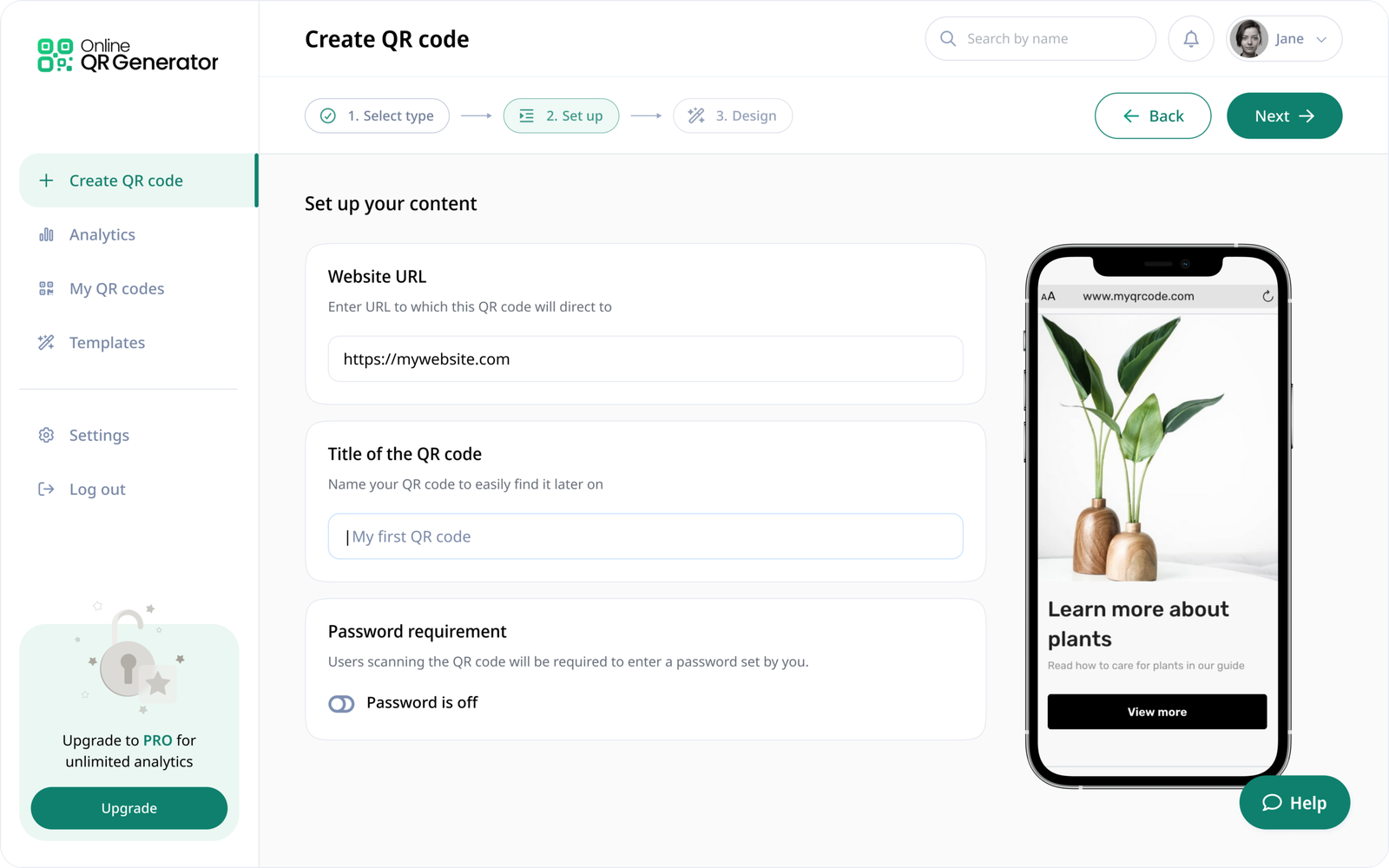
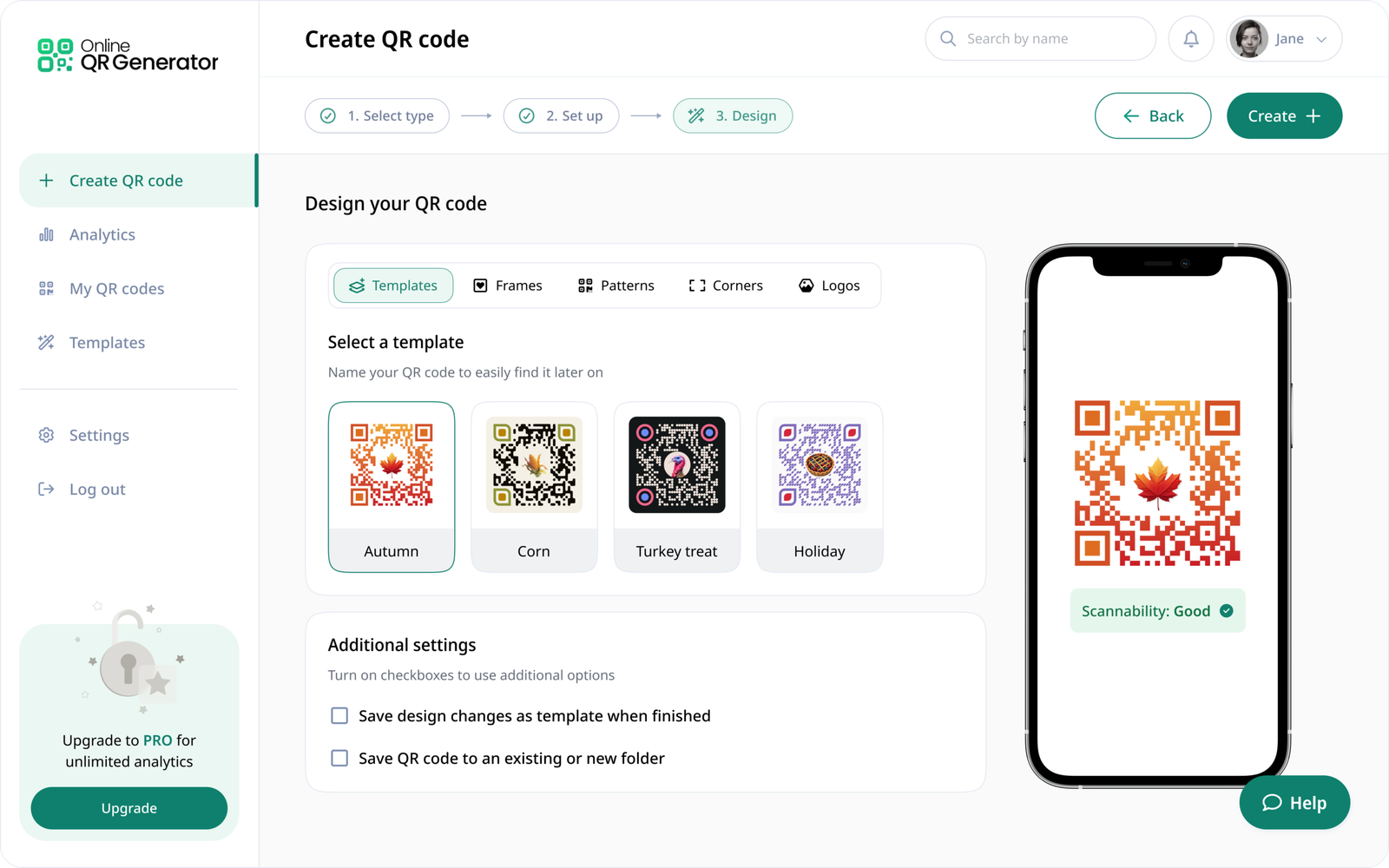


The QR Generator platform, a public-facing SaaS product for high-volume QR creation, faced usability bottlenecks across onboarding, advanced customization, and error prevention. Pre-audit metrics showed a 47% bounce rate and 61% task completion for core flows—indicating breakdowns in navigation clarity, task structure, and visual feedback.
The audit revealed an interface that worked against its own primary task. The “Create QR Code” button competed with secondary actions such as “New Folder”, and its color contrast failed WCAG at 2.12:1, while sidebar tabs at 2:1 looked disabled. Navigation switched between a sidebar and a burger menu across flows, onboarding and tooltips were missing, and users received no feedback on whether their QR codes would scan reliably. User data confirmed the cost: 28% of users abandoned the flow before customizing their QR code, 54% struggled with their first tasks, and 38% churned after the first session.
I led a full-scope UX/UI audit using behavioral analytics (GA, Hotjar), moderated testing sessions, and heuristic evaluation, focusing on task hierarchy, onboarding, interaction feedback, and system discoverability. I mapped each friction point to an actionable redesign aligned with WCAG 2.1, Fitts’s Law, and progressive disclosure principles. The redesign introduced structured onboarding, batch generation, template saving, and a real-time Scannability Badge. A/B testing showed a 30% drop in scan errors, 40% faster task completion, and onboarding completion rising from 51% to 85%.
New users landed on the dashboard without onboarding or tooltips, so features such as folders and analytics went unexplained.
I designed an interactive onboarding walkthrough with contextual tooltips that introduced each feature at the moment of use. Onboarding completion rose from 51% to 85%.
Users received no feedback on whether their customized QR codes would scan reliably. I introduced a real-time Scannability Badge that evaluated each design while users customized it. Scan errors dropped by 30%.
The dashboard opened on “My QR Codes” although users relied more on creation and analytics, and repetitive content and design settings had to be re-entered for every QR code.I restructured the information architecture around creation and analytics, and gave advanced users a template-driven batch workflow with collapsible settings. Core tasks became 40% faster.